







Top CRM Features Every Growing Business Should Look For
As a business grows, complexity grows with it. What once felt manageable with spreadsheets, inbox folders, messaging apps, and memory soon becomes difficult to control. More leads come in. More follow-ups are needed. More customer conversations happen across more channels. Team collaboration becomes more important, and visibility into sales activity becomes harder to maintain. This is the point where many businesses realize they need a CRM, but choosing the right one depends on understanding which features truly matter.
CRM software is not just about storing customer information. The best platforms help businesses organize sales activity, improve follow-up consistency, automate repetitive tasks, strengthen customer relationships, and support better decision-making. However, not all CRM systems are built the same. Some offer impressive feature lists but fail in daily usability. Others may be simple but too limited for a growing company. That is why focusing on the right CRM features is essential.
The best CRM for a growing business is not necessarily the one with the most tools. It is the one with the right combination of functionality, simplicity, flexibility, and scalability. A business needs features that solve immediate problems while also preparing the company for the next stage of growth. If the software is too basic, it may create limitations later. If it is too complex, adoption may suffer from the beginning.
Understanding the most valuable CRM features helps businesses make a smarter investment. It also prevents the common mistake of choosing software based only on price or popularity instead of actual business needs.
Why CRM Features Matter More as a Business Expands
In the early stages of a business, customer management can feel personal and informal. A founder may remember every lead, every client detail, and every pending task without needing a formal system. But growth changes that. As more opportunities enter the pipeline and more people join the team, manual organization becomes less reliable.
This is where CRM features become more than convenient. They become essential. A growing business needs systems that help the team stay aligned, move faster, and reduce costly mistakes. When a company lacks the right CRM tools, it often experiences delayed follow-ups, duplicated efforts, inconsistent communication, and weak visibility into the sales process.
The right features help transform a growing business from reactive to proactive. Instead of always responding late, searching for information, or fixing avoidable errors, the team can operate from a structured system. That creates better performance, stronger customer experience, and more predictable growth.
A CRM should not just hold data. It should actively support the daily rhythm of the business.
Contact Management Is the Core of Every Good CRM
One of the most important CRM features is contact management. At a basic level, this means storing customer and lead information in one central place. But strong contact management goes much further than just names, phone numbers, and email addresses.
A good CRM should allow the business to track communication history, notes, company details, previous purchases, tasks, sales activity, and custom information relevant to the relationship. This creates a complete view of the customer, which helps the team communicate more effectively and avoid losing important context.
For a growing business, centralized contact management is critical because customer information often becomes scattered across platforms. One sales rep has notes in a notebook. Another keeps details in chat messages. The manager relies on a spreadsheet. Over time, this fragmentation creates confusion. A CRM solves that by giving everyone access to the same organized record.
Better contact management also improves professionalism. When a team can quickly view previous conversations, understand customer needs, and continue the relationship without asking repetitive questions, the experience feels more polished and trustworthy.
Sales Pipeline Tracking Creates Visibility
Another feature every growing business should prioritize is sales pipeline tracking. This is one of the most practical and valuable parts of CRM software because it helps businesses see where every lead or deal stands in the sales process.
A visual pipeline typically organizes opportunities into stages such as new lead, contacted, qualified, proposal sent, negotiation, and closed. This makes it much easier to understand what is happening across the business at any given time. Instead of guessing which prospects are active or which deals are close to closing, the team can see that information clearly.
Pipeline tracking improves focus. Reps know which leads need immediate attention. Managers can identify bottlenecks. Business owners can estimate expected revenue based on active opportunities. Without this visibility, sales often feels disorganized and unpredictable.
For a growing business, pipeline clarity matters because opportunities increase over time. When there are only a few leads, manual tracking may feel acceptable. When there are dozens or hundreds, a visual and structured pipeline becomes a necessity.
Task Management and Follow-Up Reminders Prevent Lost Revenue
One of the most common reasons businesses lose sales is poor follow-up. A lead expresses interest, but nobody responds on time. A proposal is sent, but no reminder is set. A customer asks for more information, and the team forgets to reconnect. These missed actions may seem small, but they can quietly damage growth.
That is why task management and follow-up reminders are among the most important CRM features for a growing business. A strong CRM should make it easy to assign tasks, set deadlines, create next steps, and receive reminders. This helps ensure that no lead or client is forgotten simply because the team is busy.
Task features also improve accountability. Each sales rep can see what needs to be done, and managers can track whether important actions are happening on time. This creates more discipline in the sales process and reduces dependence on memory.
As a business grows, follow-up volume grows too. The companies that maintain consistency usually perform better than those that depend on informal systems. CRM reminders turn intention into action.
Automation Features Save Time and Improve Consistency
Automation is one of the most valuable capabilities a growing business can look for in CRM software. As volume increases, repetitive work becomes more expensive. Teams spend more time entering data, assigning leads, sending routine follow-ups, updating statuses, and creating reminders. Without automation, these tasks consume energy that could be used for selling or customer support.
A good CRM should offer automation for common workflows such as lead assignment, follow-up emails, task creation, status changes, and internal notifications. These features save time, reduce human error, and help maintain consistent service quality.
For example, when a new lead enters the system, the CRM can automatically assign it to the correct sales rep, place it in the right stage, and generate a reminder for follow-up. That kind of automation may only save a few minutes per lead, but over time it creates major efficiency gains.
Automation also helps a business look more organized. Customers receive timely responses, and the team operates with fewer delays. This improves both internal workflow and external experience.
For any business planning to scale, automation is not a luxury. It is a major strategic advantage.
Reporting and Dashboards Support Better Decisions
Growing businesses need more than activity. They need insight. It is not enough to know that leads are coming in or that the team is busy. Decision-makers need to understand what is working, what is not, and where improvement is needed. That is why reporting and dashboards are essential CRM features.
A good CRM should provide clear visibility into lead sources, pipeline stages, conversion rates, sales activity, response times, team performance, and revenue forecasts. These insights help business owners and managers make smarter decisions.
For example, reporting can show which channels bring the best-quality leads, which sales stages create delays, or which team members may need more coaching. Without these insights, businesses often make decisions based on assumptions instead of real patterns.
Dashboards are especially useful because they present key metrics in a simple and accessible format. Instead of reviewing scattered files or asking for manual updates, leadership can quickly see the current state of the business.
As a company grows, good reporting becomes increasingly valuable. More activity creates more complexity, and complexity requires visibility.
Email and Communication Integration Keeps Everything Connected
Sales and customer relationships often happen across multiple channels. Email, phone calls, website forms, chat tools, messaging apps, and meetings all create valuable information. If that information lives outside the CRM, the business loses context and consistency.
That is why communication integration is one of the top CRM features to prioritize. A growing business should look for software that connects email and, when possible, other communication tools to the customer record. This allows the team to see messages, notes, activity, and responses in one place.
Email integration is especially valuable because it helps track conversations, reduce duplication, and improve continuity. A sales rep can quickly review past communication before replying. A manager can better understand the history of an opportunity. If a customer changes hands internally, the next team member can continue the relationship without starting from zero.
Connected communication improves speed and professionalism. It also reduces the risk of important details being hidden in personal inboxes.
Customization Helps the CRM Fit the Business
Not all businesses sell the same way. Some have short sales cycles. Others have long consultative processes. Some need only a few stages in the pipeline, while others require more detailed tracking. That is why customization is an important CRM feature for growing businesses.
A CRM should allow the business to adapt fields, stages, workflows, tags, and reporting categories to its real process. If the software is too rigid, the team may end up forcing its workflow into a structure that does not fit. That usually leads to frustration and weak adoption.
Customization helps the CRM reflect how the business actually operates. It also becomes more important over time because needs often evolve as the company grows. New services, new departments, and new sales methods may require additional flexibility.
The goal is not to overcomplicate the system. It is to make the CRM useful, practical, and aligned with the real customer journey.
Mobile Access Supports Modern Teams
Modern business does not happen only at a desk. Sales reps may be traveling, attending meetings, working remotely, or communicating with clients on the go. Business owners often need to check leads, review activity, or update notes from a phone. This is why mobile access is a valuable CRM feature.
A strong mobile CRM allows users to view contacts, update opportunities, add notes, complete tasks, and review pipeline activity from anywhere. This flexibility improves responsiveness and helps the team stay connected even outside the office.
For growing businesses, mobile access can create a meaningful difference in execution speed. A rep can update information immediately after a call. A manager can review pipeline movement while away from the office. A lead can be assigned quickly instead of waiting until someone returns to a computer.
Mobility supports modern work habits, and CRM software should reflect that.
Collaboration Tools Improve Team Alignment
As more people become involved in the sales process, collaboration becomes more important. Marketing may generate the lead, sales may manage the deal, support may handle onboarding, and finance may step in later. Without collaboration tools, information gaps and duplicated work become common.
A good CRM should support team alignment through shared notes, internal comments, task assignments, activity history, and user visibility. Everyone involved should be able to understand the state of the relationship without relying on separate explanations.
This improves handoffs and reduces confusion. It also strengthens customer experience because the business appears more coordinated. The customer does not feel like they are speaking to disconnected departments. Instead, the company feels organized and informed.
For a growing business, alignment is essential. Collaboration tools help create it in a structured way.
Scalability Should Never Be Ignored
One of the most overlooked CRM features is scalability. A business may choose software based on current needs, but if the system cannot support future growth, it may become a problem later. Switching CRM platforms after significant adoption can be disruptive, so it is important to think ahead.
Scalability means the CRM can handle more contacts, more users, more automation, more data, and more complex processes without becoming inefficient. A growing business should choose a platform that can evolve with it.
This does not mean paying for enterprise-level complexity from day one. It means choosing a CRM that offers room to grow. The software should support the next stage of the business, not just the current one.
Final Thoughts
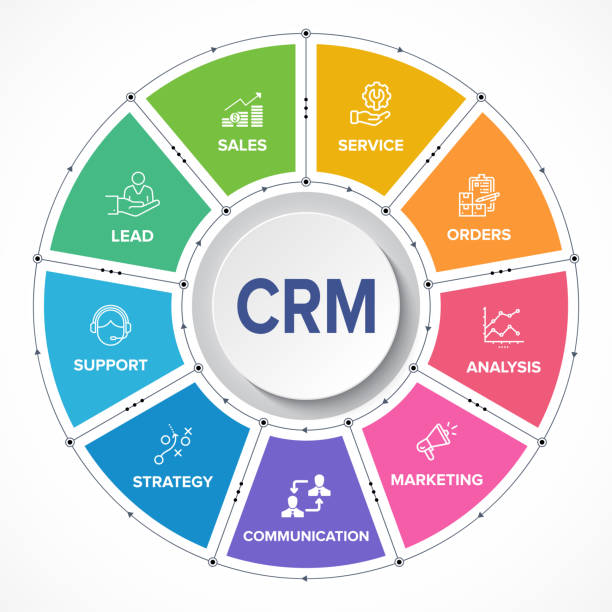
The top CRM features every growing business should look for are the ones that create structure, improve visibility, support consistency, and make growth easier to manage. Contact management, pipeline tracking, task reminders, automation, reporting, communication integration, customization, mobile access, collaboration tools, and scalability all play an important role.
The right CRM should not just store information. It should help the business operate better every day. It should make the team more organized, more responsive, and more effective. It should reduce friction, prevent missed opportunities, and support better decisions over time.
For a growing business, choosing CRM software is not just about technology. It is about building a stronger foundation for future revenue, customer relationships, and operational control. The better the foundation, the easier it becomes to scale with confidence.