






Why CRM Software Is Essential for Modern Sales Teams
Modern sales teams are expected to do more than ever before. They need to respond quickly, manage multiple leads at once, personalize communication, keep accurate records, collaborate across departments, and maintain a steady flow of opportunities through the pipeline. At the same time, customers have become more informed, more selective, and less patient. They want fast answers, relevant communication, and a smooth buying experience from beginning to end. In this environment, working without structure is no longer a realistic option. That is why CRM software has become essential for modern sales teams.
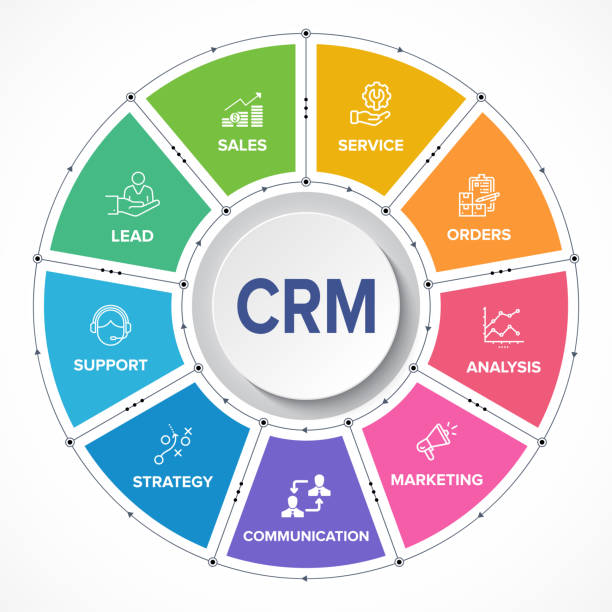
CRM stands for customer relationship management, but in practice, a CRM system does far more than organize contacts. It acts as the central operational hub for sales activity. It stores customer data, tracks conversations, manages follow-ups, displays pipeline progress, automates repetitive tasks, and gives managers visibility into performance. Instead of relying on memory, spreadsheets, inbox searches, and scattered notes, the sales team works from a unified system designed for speed, accountability, and growth.
Without a CRM, even talented sales professionals can struggle to stay organized. Leads can be forgotten. Follow-ups can be delayed. Customer history can get lost in email chains or messaging apps. Managers may have little visibility into what is really happening in the sales process. These problems are not minor. They directly affect conversion rates, customer trust, and revenue.
For modern sales teams, CRM software is no longer a luxury or an optional add-on. It is one of the most important tools for building consistency, improving performance, and creating a process that can scale.
The Reality of Modern Sales Without CRM Software
Many businesses begin their sales journey with informal systems. A few leads are tracked in a spreadsheet. Customer notes live in someone’s inbox. Follow-ups are managed with calendar reminders or memory. For a very small operation, that may feel manageable in the beginning. But as the volume of leads increases and the sales process becomes more active, these manual methods start to break down.
One of the first problems is inconsistency. Different sales reps may store information differently, follow different routines, or forget important details. One person may update the spreadsheet, while another keeps notes privately. A team member might leave the company, and valuable relationship context may disappear with them. A lead who was ready to buy can go cold simply because nobody followed up at the right time.
Another issue is visibility. Managers need to know what is happening in the pipeline. They need to see how many leads are active, which opportunities are close to closing, where deals are getting stuck, and whether the team is hitting targets. Without a CRM, this becomes difficult. Reporting is often incomplete, outdated, or based on estimates rather than real-time activity.
Modern sales is too fast and too competitive to run on fragmented information. Teams that lack structure usually spend more time trying to stay organized than actually selling. That is one of the main reasons CRM software has become essential.
CRM Software Brings Structure to the Sales Process
A strong sales process depends on clarity. Every lead should have a status. Every opportunity should have a next step. Every customer interaction should be documented. Every rep should know what actions to take and when to take them. CRM software creates this structure.
When a lead enters the system, it can be assigned to a rep, moved into a specific pipeline stage, and scheduled for follow-up. Notes from calls and emails can be attached to the contact record. Tasks can be created automatically. Managers can review pipeline activity without asking for updates one by one. The entire process becomes easier to understand and easier to manage.
This structure helps sales teams operate with more professionalism and less confusion. Instead of guessing what happened last, what needs to happen next, or who owns a specific lead, the system provides those answers. That reduces friction and allows reps to focus more on meaningful conversations and less on administrative uncertainty.
In a modern business environment, structure is a competitive advantage. Sales teams that work from a system are usually more consistent than teams that rely on memory and improvisation.
Better Lead Management Means Better Sales Results
One of the most important reasons CRM software is essential for modern sales teams is lead management. Leads come from many different sources today. They may arrive through websites, landing pages, paid ads, social media, referrals, chat tools, events, email campaigns, or direct outreach. Without a CRM, these opportunities can quickly become difficult to track.
A CRM system helps capture and organize leads in one place. It shows where each lead came from, who owns it, what stage it is in, and what action should happen next. This gives the team a much clearer view of the sales funnel.
Good lead management also improves prioritization. Not every lead has the same value or urgency. Some are ready to buy soon, while others need more time and nurturing. A CRM allows teams to sort and segment leads based on source, behavior, interest level, or stage in the buying journey. This helps reps spend more time where it matters most.
When lead handling improves, the results usually improve too. Faster responses, clearer ownership, and better follow-up often translate into higher conversion rates. That is why CRM software is not just an organizational tool. It is a revenue tool.
Follow-Up Consistency Is One of the Biggest Benefits
A large percentage of lost sales opportunities come down to poor follow-up. In many businesses, the initial contact happens, but the next step is delayed, forgotten, or handled inconsistently. Prospects who were interested stop responding because the timing was wrong or the process felt disorganized. This is one of the most avoidable causes of lost revenue.
CRM software helps solve this by creating follow-up discipline. Sales reps can schedule tasks, set reminders, create sequences, and track communication history in one place. They do not need to depend on memory alone. The system supports the workflow.
This matters because consistency builds trust. Prospects notice when a company is responsive, organized, and attentive. A timely follow-up can be the difference between a closed deal and a lost opportunity. When every lead gets proper attention, the sales process becomes more reliable.
Modern sales teams often handle too many conversations at once to manage follow-ups manually with confidence. A CRM provides the support they need to stay on track without becoming overwhelmed.
CRM Automation Saves Time and Reduces Friction
Sales teams lose a surprising amount of time to repetitive administrative work. Logging notes, assigning leads, updating statuses, sending routine messages, creating reminders, and tracking next steps can consume hours each week. These tasks are important, but they can also distract from selling.
CRM automation helps solve this problem. Many CRM platforms can automate lead routing, task creation, email follow-ups, status changes, internal notifications, and other workflow steps. Instead of doing the same actions manually over and over, the team can rely on the system to handle them.
This creates several benefits at once. First, it saves time. Second, it reduces errors. Third, it makes the customer experience feel more consistent. A lead gets a quick response. A rep gets an automatic reminder. A manager is alerted when a deal reaches an important stage. The process flows more smoothly.
For modern sales teams, automation is not about replacing human interaction. It is about reducing administrative drag so the team can focus on conversations, strategy, and closing deals. In a high-speed environment, that efficiency matters.
Sales Managers Need Visibility and Forecasting
CRM software is essential not only for sales reps, but also for managers and business leaders. A sales manager needs more than general updates. They need real visibility into pipeline health, team performance, conversion trends, and forecasted revenue. Without a CRM, much of this information is delayed, inconsistent, or incomplete.
A good CRM shows how many opportunities are in each pipeline stage, how long deals typically remain there, which reps are actively progressing deals, and where bottlenecks are forming. This allows managers to coach more effectively and intervene earlier when needed.
Forecasting also becomes more accurate with CRM software. Rather than relying on assumptions or scattered reports, management can use real sales data to estimate future outcomes. This is valuable for budgeting, hiring, goal setting, and strategic planning.
When leadership has better visibility, decision-making improves. The company can move with more confidence because it is working from clear information instead of guesswork. In modern sales operations, that level of insight is difficult to achieve without a CRM system.
CRM Software Improves Team Collaboration
Sales rarely operates alone. Marketing, customer support, operations, finance, and leadership often interact with the same customer journey in different ways. Without a shared system, communication gaps appear. Marketing may not know which leads converted. Sales may not know what campaigns influenced the buyer. Support may not see important context from the original sales process.
CRM software creates a common source of truth. Everyone involved can access relevant information about the customer relationship. This improves coordination and reduces duplicated effort.
For example, if a marketing campaign generated a lead, the sales team can see that source. If a customer later contacts support, the support team can review previous notes and understand the context. If leadership wants to evaluate performance, the data is already centralized. This level of alignment helps businesses operate more smoothly.
For modern teams, collaboration is not just about communication. It is about shared visibility. CRM software supports that in a practical and scalable way.
Better Customer Experience Starts With Better Organization
Customer experience has become a major driver of business success. Buyers want to feel understood, respected, and guided through the process without unnecessary friction. Disorganization damages that experience quickly. Long response times, repeated questions, inconsistent messaging, and lost information create frustration.
CRM software helps sales teams deliver a better customer experience because it keeps the relationship organized. The rep can see previous interactions, understand the customer’s needs, remember objections, and continue the conversation with context. This makes communication feel more relevant and professional.
A better customer experience does more than improve satisfaction. It also increases the chances of closing the sale, keeping the customer longer, and generating referrals. In that sense, CRM software supports both acquisition and retention.
Modern customers compare experiences across brands. The companies that appear more organized and responsive often win more trust. A CRM helps sales teams meet that standard.
CRM Software Supports Scalable Growth
What works for a very small team often stops working as the business grows. More leads, more reps, more communication channels, and more sales activity create complexity. Without strong systems, growth can lead to confusion rather than progress.
CRM software supports scalability by making the sales process repeatable. New team members can be trained more easily because the workflow is already documented in the system. Managers can oversee more activity without losing control. Customer data stays centralized even as the business expands.
This is especially important for modern sales teams because growth often happens across multiple channels at once. A company may be generating leads through content, ads, email, social media, and outbound sales simultaneously. Keeping all of that organized without a CRM becomes increasingly difficult.
Businesses that want sustainable growth need infrastructure. CRM software is part of that infrastructure. It helps the team grow without losing visibility, consistency, or momentum.
Important CRM Features for Modern Sales Teams
Modern sales teams should look for CRM software that supports both current needs and future growth. Contact management is fundamental, since every relationship starts with organized information. Pipeline management is equally important because it provides a visual structure for deals and follow-ups.
Automation features help reduce manual work. Reporting dashboards improve visibility. Email and calendar integrations keep communication connected to the sales record. Task management ensures follow-up discipline. Mobile access supports teams working remotely or in the field. Collaboration tools make it easier for multiple departments to stay aligned.
Not every business needs the most advanced platform on the market, but every serious sales team needs the right core functionality. The right CRM should make daily work easier, faster, and more organized.
Final Thoughts
CRM software is essential for modern sales teams because modern sales requires more than talent and effort. It requires systems. It requires visibility. It requires follow-up discipline, organized data, better collaboration, and the ability to scale without losing control.
Teams that work without a CRM often struggle with lost leads, inconsistent follow-up, weak reporting, and unnecessary friction. Teams that use CRM software effectively gain structure, automation, better forecasting, stronger customer experience, and improved revenue performance.
In today’s sales environment, speed and organization matter. Buyers expect a professional process, and businesses need reliable systems to deliver it. CRM software helps make that possible.
For any company that wants to build a stronger sales operation, improve conversion rates, and create long-term growth, CRM software is no longer optional. It is essential.