




Best CRM Software for Small Business Growth in 2026
Small businesses are under constant pressure to grow faster, respond quicker, and compete more effectively. In 2026, that pressure is even stronger because customers expect speed, personalization, and a smooth experience from the first contact to the final purchase. For many companies, growth is no longer limited by product quality alone. It is limited by how well they manage leads, follow-ups, customers, and internal organization. That is exactly why CRM software has become one of the most valuable tools for small business growth.
CRM stands for customer relationship management, but modern CRM platforms do much more than store names and phone numbers. Today, the best CRM software helps small businesses track leads, organize conversations, automate repetitive tasks, improve sales visibility, increase customer retention, and make better decisions with real-time data. It creates structure in areas where many growing businesses still depend on memory, spreadsheets, scattered chats, or disconnected apps.
For small business owners, that structure matters. When sales are handled manually, opportunities are often lost in small and preventable ways. A message is answered too late. A callback is forgotten. A prospect receives inconsistent information. A hot lead goes cold simply because nobody followed up at the right time. These are not unusual problems. They are common growth barriers for businesses that have demand but lack systems.
The best CRM software for small business growth in 2026 is not just a digital address book. It is a growth engine. It helps teams work with more consistency, more visibility, and less wasted effort. It turns scattered activity into a real process.
Why Small Businesses Need CRM Software More Than Ever
Small businesses usually begin with a very hands-on way of operating. The owner manages sales, customer service, and sometimes even marketing. Leads come in through social media, WhatsApp, email, website forms, referrals, and phone calls. In the beginning, that may feel manageable. But as the business starts growing, the volume of interactions increases, and what once seemed simple becomes difficult to control.
That is when problems begin to show. Contacts are stored in multiple places. Follow-ups depend too much on memory. Important information gets buried in chat threads. Team members are not always aligned. There is no clear view of which leads are active, which deals are close to converting, and which customer relationships need attention. Without a CRM, growth often creates chaos.
CRM software helps solve this by centralizing the customer journey. Every lead, note, email, task, and opportunity can be tracked in one place. That creates a more professional sales process and reduces the risk of lost revenue. It also gives owners and managers something very important: visibility. Instead of guessing what is happening in the pipeline, they can see it.
In 2026, small businesses also need CRM software because competition is more digital and more data-driven than ever. Fast follow-up times, organized communication, and process automation are no longer advantages only large companies can afford. Small businesses can now access those same capabilities through affordable cloud-based CRM systems.
What Makes a CRM “Best” for a Small Business
Not every CRM is the right fit for a small business. Some platforms are too complex, too expensive, or built for enterprise companies with large teams and long implementation cycles. The best CRM software for a small business is the one that combines simplicity, functionality, flexibility, and scalability.
Ease of use is one of the most important factors. A CRM should help the team move faster, not slow them down. If the platform feels overwhelming, adoption will suffer, and the business may return to old habits. A good CRM should make it easy to add contacts, track deals, create reminders, update stages, and review customer history without excessive training.
Affordability also matters. Small businesses usually need a system that delivers strong value without requiring a massive monthly investment. The ideal CRM offers practical features such as contact management, pipeline tracking, automation, reporting, and integrations at a price that makes sense for smaller teams.
Scalability is another key factor. A business might start with one or two people managing customers, but that will not always remain the case. The best CRM should be able to grow with the company, support more users, handle more data, and adapt to more complex workflows over time.
Finally, the best CRM is the one that directly improves the business’s ability to generate revenue, save time, and build stronger customer relationships.
How CRM Software Helps Small Businesses Grow
Growth in a small business usually comes down to a few essential things: getting more qualified leads, converting more of them into paying customers, keeping customers longer, and operating more efficiently. CRM software supports every one of these areas.
The first major advantage is better lead management. A CRM helps businesses capture leads from different channels and store them in a central place. Instead of relying on inboxes, notebooks, or chat apps, the team can view all new opportunities in a structured pipeline. This makes it easier to identify high-potential leads and respond faster.
The second advantage is follow-up consistency. Many sales are lost not because the offer is weak, but because follow-up is weak. A CRM lets businesses create reminders, assign tasks, and even automate certain messages. That means prospects receive timely attention, and sales reps do not have to depend entirely on memory.
The third advantage is better customer retention. Existing customers are often more profitable than new ones, but many small businesses focus so much on acquisition that they neglect relationship maintenance. CRM software helps track past purchases, communication history, renewal opportunities, and service needs. This makes it easier to stay connected and increase repeat business.
The fourth advantage is decision-making. A CRM provides data that helps business owners understand what is working and what is not. They can see which sources bring the best leads, which sales stages create friction, how long deals take to close, and where the team may need improvement. That kind of clarity is extremely valuable in a growth phase.
CRM vs Spreadsheets for Small Business Management
Many small businesses still use spreadsheets to manage leads and customers. Spreadsheets may appear flexible and inexpensive, but they come with major limitations. They are not designed to manage active relationships, automate follow-ups, or support collaborative sales processes.
A spreadsheet can store names, numbers, and notes, but it cannot easily show where each lead stands in the buying journey. It cannot automatically remind a rep to follow up tomorrow. It cannot track email opens, assign leads to the right person, or show a clean visual pipeline of open deals. It also becomes more difficult to maintain as the volume of data grows.
CRM software is specifically built for relationship management. It gives businesses the ability to see a full customer timeline, set tasks, create automation, monitor sales progress, and generate reports. For a small business trying to grow in a structured way, that difference is significant.
The move from spreadsheets to CRM is often a turning point. It shifts the business from reactive management to proactive management. Instead of constantly trying to remember what happened, the team works from a live system that supports action.
The Role of Automation in Small Business Growth
Automation is one of the most powerful reasons to invest in CRM software. Small businesses often operate with limited staff, which means time is scarce and repetitive work can quickly become overwhelming. Automation helps reduce that burden.
A good CRM can automate lead assignment, follow-up reminders, email sequences, task creation, status changes, and internal notifications. These may seem like small functions individually, but together they save a considerable amount of time and reduce the chance of human error.
For example, when a new lead enters the system, the CRM can automatically assign it to the correct sales rep, create a reminder for follow-up, and move it into the right stage of the pipeline. Without automation, each of those actions would have to be done manually. As the number of leads grows, that becomes inefficient very quickly.
Automation also improves professionalism. Customers receive timely responses, processes feel more consistent, and the team appears more organized. In a competitive market, that can directly influence trust and conversion rates.
CRM Software and Customer Experience
Customer experience has become one of the most important drivers of business growth. Small businesses may not always have the largest budgets, but they can still compete by offering a more responsive and personalized experience. CRM software makes that easier.
When a business uses a CRM properly, every customer interaction becomes more informed. The team can see previous conversations, past purchases, notes, concerns, and preferences in one place. That means customers do not have to repeat themselves constantly, and communication feels more relevant.
This is especially important in small businesses where relationships often matter as much as the product or service itself. A strong customer experience builds trust, increases referrals, and improves retention. CRM software supports that by helping businesses stay organized and proactive.
A well-managed customer journey also makes upselling and cross-selling easier. When a business knows its customers better, it can offer more relevant solutions at the right moment. That creates additional revenue opportunities without depending entirely on new customer acquisition.
Key CRM Features Small Businesses Should Prioritize
Choosing the best CRM software means knowing which features matter most. Small businesses do not always need every advanced function on the market, but they do need the right foundation.
Contact management is essential. The CRM should allow the business to store and organize customer details, communication history, notes, and account information in a clear and accessible way.
Sales pipeline tracking is equally important. A visual pipeline helps teams see where each opportunity stands, what needs attention, and how close deals are to closing. This improves focus and accountability.
Task and reminder tools are critical for follow-up consistency. A CRM should make it easy to set next actions so no lead or customer is forgotten.
Automation features add major value. Even basic automation can save time and improve workflow quality.
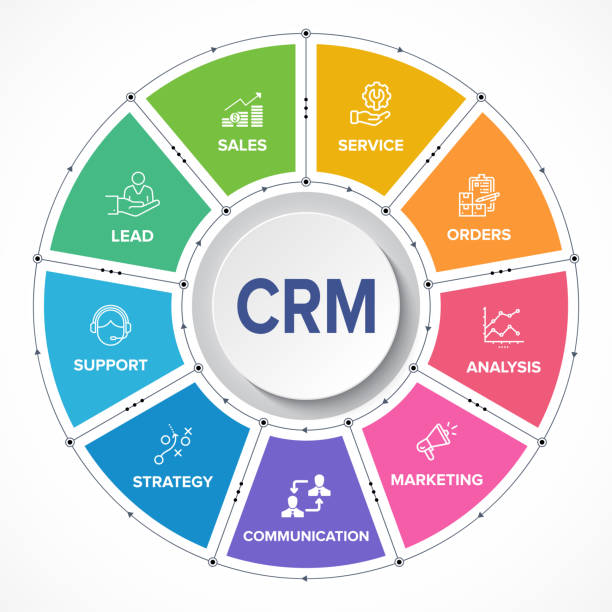
Reporting and dashboards help business owners monitor performance. These insights can reveal how many leads are entering the system, how quickly they are being contacted, where deals are getting stuck, and which activities lead to results.
Integrations also matter. A CRM that connects with email, forms, calendars, invoicing systems, and marketing tools creates a more efficient ecosystem for the business.
Mobile access is another strong advantage, especially for business owners and sales reps who work on the go.
Cloud-Based CRM Software for Flexibility and Scale
In 2026, cloud-based CRM software has become the standard for many small businesses. Cloud systems are easier to access, easier to update, and easier to scale than traditional on-premise solutions.
A cloud CRM allows teams to log in from anywhere, whether they are in the office, at home, or meeting clients. This supports remote work, faster communication, and real-time collaboration. It also reduces dependence on local files or one specific device.
For small businesses, this flexibility is valuable because operations are often dynamic. Owners may need to check leads from a phone, review sales activity while traveling, or update customer information quickly during a conversation. Cloud-based CRM platforms make that possible.
They also tend to be easier to implement. Many require little technical setup and offer subscription pricing that fits smaller budgets. That lowers the barrier to entry and makes adoption more realistic.
Long-Term Benefits of Investing in the Right CRM
A CRM should not be viewed only as a short-term software purchase. It should be seen as a long-term investment in business infrastructure. The right CRM creates better habits, better organization, and better decision-making over time.
As the business grows, the value of the CRM often increases. More leads can be managed without losing control. New staff can be trained faster. Processes become more repeatable. Revenue becomes easier to forecast. Customer relationships become more structured and more profitable.
Businesses that delay implementing a CRM often spend more time correcting avoidable problems later. They may lose data, struggle with disorganization, or reach a point where growth becomes difficult to manage. Businesses that implement the right CRM earlier often build a stronger operational foundation.
In that sense, CRM software is not just about efficiency. It is about readiness. It prepares a small business to grow with more confidence and less chaos.
Final Thoughts
The best CRM software for small business growth in 2026 is the one that helps a company become more organized, more responsive, and more scalable. It should make lead management easier, follow-up more consistent, customer relationships stronger, and decision-making smarter.
Small businesses no longer need to rely on spreadsheets, memory, or disconnected tools to manage growth. CRM software offers a more professional and effective way to run sales, serve customers, and build long-term momentum.
In a business environment where speed, consistency, and customer experience matter more than ever, the right CRM can become one of the most valuable systems a company adopts. It saves time, reduces lost opportunities, improves team performance, and supports sustainable revenue growth.
For any small business that wants to grow with more structure and less friction, CRM software is no longer just a helpful tool. It is a serious competitive advantage.